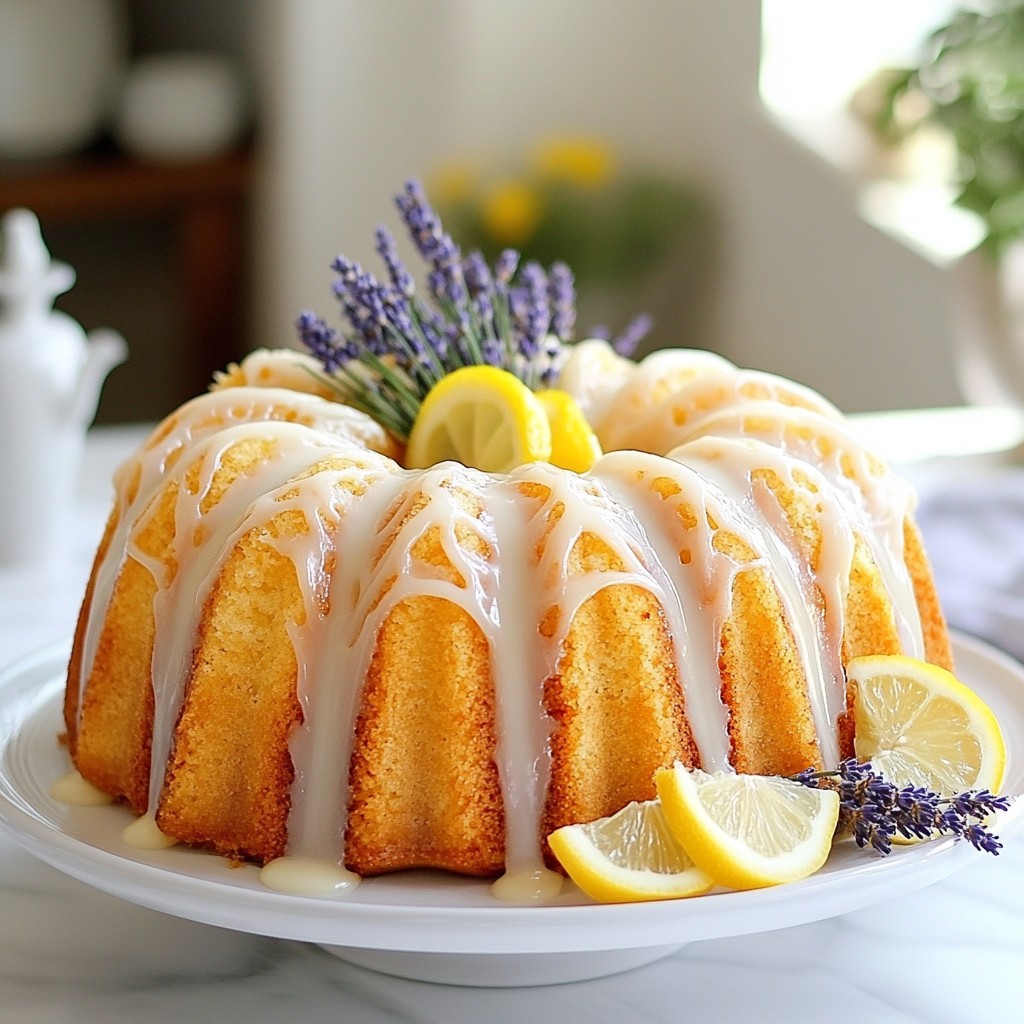
Get ready to impress your taste buds with my Moist Cake Lemon Lavender Bundt Cake Delight Recipe! This cake is light, fluffy, and bursting with vibrant lemon flavor. The hint of lavender adds a unique twist that will have everyone asking for seconds. Whether you're baking for a special event or just want a sweet treat, this easy recipe has got you covered. Let's dive into the ingredients and start creating your new favorite dessert!
Why I Love This Recipe
- Bright and Fresh Flavor: This cake features a delightful combination of lemon and lavender, creating a refreshing taste that's perfect for any occasion.
- Moist and Tender Texture: The buttermilk and butter work together to keep the cake incredibly moist, ensuring each slice melts in your mouth.
- Elegant Presentation: The Bundt shape and beautiful glaze make this cake not only delicious but also a stunning centerpiece for your dessert table.
- Easy to Make: With straightforward steps and simple ingredients, this recipe is accessible for bakers of all skill levels.
Ingredients
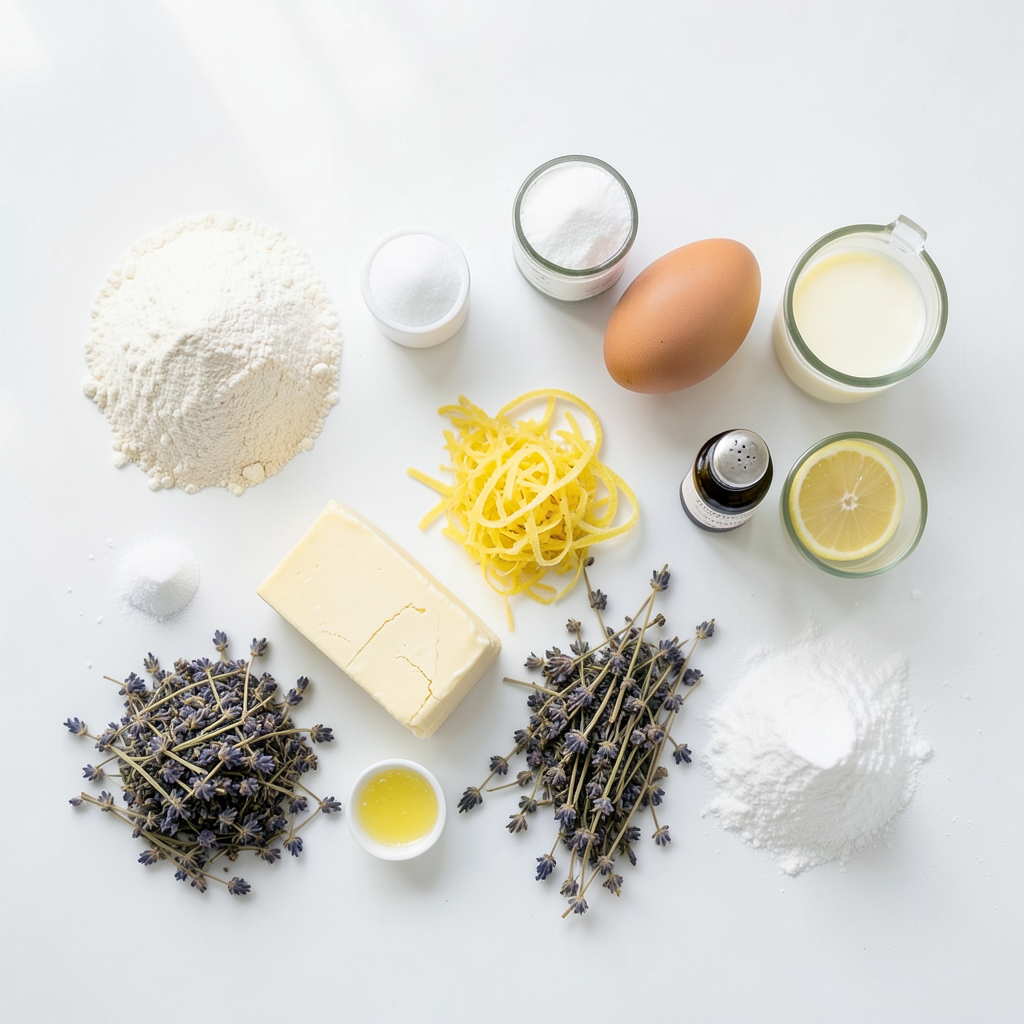
To make the Moist Lemon Lavender Bundt Cake, gather the following simple ingredients:
- 2 cups all-purpose flour
- 1 ½ teaspoons baking powder
- ½ teaspoon baking soda
- ¼ teaspoon salt
- 1 cup unsalted butter, softened
- 2 cups granulated sugar
- 4 large eggs
- 1 tablespoon lemon zest
- ¾ cup fresh lemon juice
- 1 tablespoon dried culinary lavender
- 1 teaspoon vanilla extract
- 1 cup buttermilk (or 1 cup milk + 1 tablespoon vinegar)
- ½ cup powdered sugar (for glaze)
- 2 tablespoons lemon juice (for glaze)
These ingredients come together to create a cake that is both moist and flavorful. The lemon zest and juice provide a bright, fresh taste. The dried culinary lavender adds a lovely floral note that elevates the cake. Don't forget the buttermilk; it helps keep the cake tender. This cake is perfect for any occasion or just to enjoy at home.
Step-by-Step Instructions
Preparation Steps
1. Preheat your oven to 350°F (175°C).
2. Grease and flour a 10-cup Bundt pan. This helps the cake come out easily.
3. In a medium bowl, mix together 2 cups flour, 1 ½ teaspoons baking powder, ½ teaspoon baking soda, and ¼ teaspoon salt. Whisk until everything is well blended and set aside.
4. In a large bowl, cream 1 cup softened unsalted butter and 2 cups granulated sugar. Use an electric mixer on medium speed for about 3 minutes until it is light and fluffy.
5. Add 4 large eggs, one at a time. Mix well after each addition. Then add 1 tablespoon lemon zest and 1 teaspoon vanilla extract. Blend until everything is combined.
6. In a small bowl, mix ¾ cup fresh lemon juice and 1 tablespoon dried culinary lavender. Let it sit for 5-10 minutes to allow the flavors to mix. You can strain out the lavender if you want a smoother taste.
7. Alternate adding the dry mixture and 1 cup buttermilk to the butter mix. Start and end with the dry ingredients. Mix until just combined. Stir in the infused lemon juice last.
Baking the Cake
8. Pour the batter into the prepared Bundt pan. Smooth the top with a spatula.
9. Bake in the oven for 50-60 minutes. Check for doneness by inserting a toothpick in the center. It should come out clean.
Cooling and Glazing
10. After baking, let the cake cool in the pan for 10-15 minutes.
11. Carefully invert the cake onto a wire rack to cool completely.
12. To make the glaze, whisk together ½ cup powdered sugar and 2 tablespoons lemon juice until smooth.
13. Drizzle the glaze over the cooled cake, letting it flow down the sides.
Enjoy making your Lemon Lavender Bundt Cake! It’s a treat that brings joy to any table.
Tips & Tricks
Achieving Moist Texture
To get that perfect moist texture in your Lemon Lavender Bundt Cake, start with room temperature ingredients. This means your butter, eggs, and buttermilk should be warm. Using cold ingredients can lead to a dense cake. When you cream the butter and sugar, mix until light and fluffy. This step is key to trapping air, which helps the cake rise.
Avoid overmixing the batter after adding the dry ingredients. Mix just until combined. Overmixing can make the cake tough. A light crumb is what you want.
Flavor Enhancement
Infusing lemon juice with lavender adds a beautiful flavor. Combine fresh lemon juice and dried lavender in a small bowl. Let it sit for about 5 to 10 minutes. This allows the flavors to blend nicely. If you prefer, you can strain out the lavender. Adjust the sweetness in your glaze by adding more or less powdered sugar. Taste as you mix to find your ideal sweetness.
Presentation Ideas
When serving, slice the cake and place it on elegant plates. For a pop of color, garnish each slice with a sprig of fresh lavender. A lemon wedge on the side adds a nice touch too. This makes your cake look as inviting as it tastes!
Pro Tips
- Use Fresh Ingredients: Always opt for fresh lemons and culinary lavender for the best flavor and aroma in your cake.
- Don't Overmix: When combining the wet and dry ingredients, mix just until combined to ensure a tender crumb.
- Cool Before Glazing: Allow the cake to cool completely before adding the glaze for a smooth finish that won't melt away.
- Extra Zest for Flavor: If you love lemon, feel free to add an extra teaspoon of lemon zest to the batter for a more vibrant taste.
Variations
Alternative Flavors
You can switch up the lemon flavor with other citrus fruits. Try orange or lime zest. They add a nice twist. You can also use extracts like almond or vanilla for unique tastes. Want something fruity? Add fresh blueberries or raspberries to the batter. Nuts like walnuts or almonds work well too. Just remember to chop them small.
Gluten-Free Options
If you want a gluten-free cake, choose gluten-free flour blends. They often mix rice flour and other gluten-free grains. You will need to adjust your baking time. Gluten-free cakes may bake faster, so keep an eye on them. Start checking for doneness a few minutes early.
Icing Alternatives
There are many tasty icings you can try. A cream cheese frosting adds a rich flavor. You can also use a simple lemon glaze, mixing powdered sugar and lemon juice. For a fun twist, try a lavender-infused glaze. Just steep dried lavender in warm milk, then mix it with powdered sugar. This will create a light and fragrant icing that pairs well with the cake.
Storage Info
Best Storage Practices
To store your leftover lemon lavender Bundt cake, wrap it tightly in plastic wrap. This will keep the cake fresh for about five days. You can also place the wrapped cake in an airtight container. This helps keep moisture and flavor in. If you cut the cake, cover the exposed slices with plastic wrap too. This will help prevent them from drying out.
For the best results, store the cake at room temperature. Keep it in a cool, dry place away from sunlight. Avoid the fridge, as it can dry out the cake. If you have leftover glaze, store it in the fridge in a small jar.
Freezing the Cake
To freeze your lemon lavender Bundt cake, begin by letting it cool completely. Once cooled, wrap the entire cake in plastic wrap. Then, place it in a freezer-safe bag or container. This keeps out air and helps prevent freezer burn. You can also slice the cake before freezing. Just wrap each slice in plastic wrap.
When you want to enjoy your cake, remove it from the freezer. Place it in the fridge overnight to thaw. If you need it faster, let it sit at room temperature for about two hours. Avoid using a microwave, as this can change the texture. Once thawed, you can reapply the glaze for extra sweetness.
FAQs
What makes this cake moist?
The key to a moist cake lies in several ingredients. First, we use buttermilk. It adds moisture and richness. Second, unsalted butter creates a tender crumb. Third, the eggs help bind everything together while adding moisture. Lastly, the lemon juice not only adds flavor but also keeps the cake moist. Each of these elements contributes to a deliciously soft texture.
Can I use fresh lavender instead of dried?
Yes, you can use fresh lavender, but it has a stronger flavor. If you choose to use fresh lavender, use about three times the amount of dried lavender. This is because dried lavender is more concentrated. Be careful not to add too much, as it can overpower the cake's flavor. Always taste your batter before baking to get the balance right.
How do I prevent the cake from sticking to the pan?
To keep your cake from sticking, follow these tips:
- Generously grease the Bundt pan with unsalted butter.
- Dust the greased pan with all-purpose flour.
- Make sure to coat all the crevices well.
- You can also use a baking spray that has flour in it.
- Let the cake cool in the pan for 10-15 minutes before inverting it.
This will help it release easily when you turn it out.
In this article, we explored how to make a delicious lemon-lavender Bundt cake. We covered all the key ingredients and detailed step-by-step instructions for perfect baking. I shared tips for achieving moisture and flavor, alongside variations for customizing your cake. Proper storage methods keep leftovers fresh, and the FAQs addressed common concerns to enhance your baking experience.
Baking can be fun and fulfilling. I hope this guide helps you create a delightful cake that impresses everyone. Enjoy your time in the kitchen!