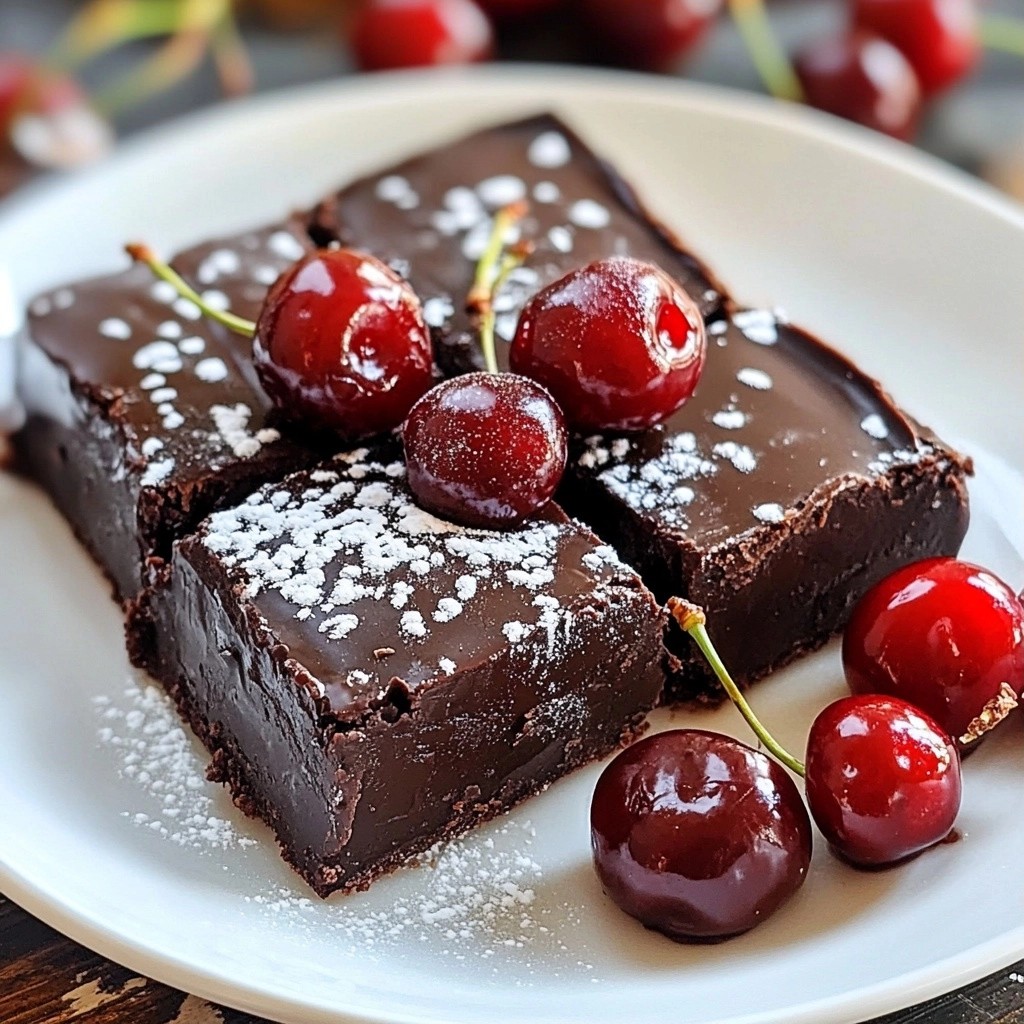

Looking for a light and zesty treat? This Fluffy Baking Orange Olive Oil Cake is your answer! With its fresh orange flavor and moist texture, it’s simply irresistible. In just a few simple steps, you’ll whip up a cake that brightens any occasion. Let’s dive into the recipe and learn how to create this delightful dessert together!
Why I Love This Recipe
- Deliciously Moist: This cake is incredibly moist thanks to the extra virgin olive oil and fresh orange juice, creating a delightful texture that melts in your mouth.
- Bright Citrus Flavor: The combination of orange juice and zest infuses the cake with a vibrant, zesty flavor that is refreshing and uplifting.
- Simple to Make: This recipe is straightforward, requiring minimal effort and equipment, making it perfect for bakers of all skill levels.
- Elegant Presentation: With a light dusting of powdered sugar and optional garnishes, this cake is visually appealing and perfect for special occasions or gatherings.
Ingredients
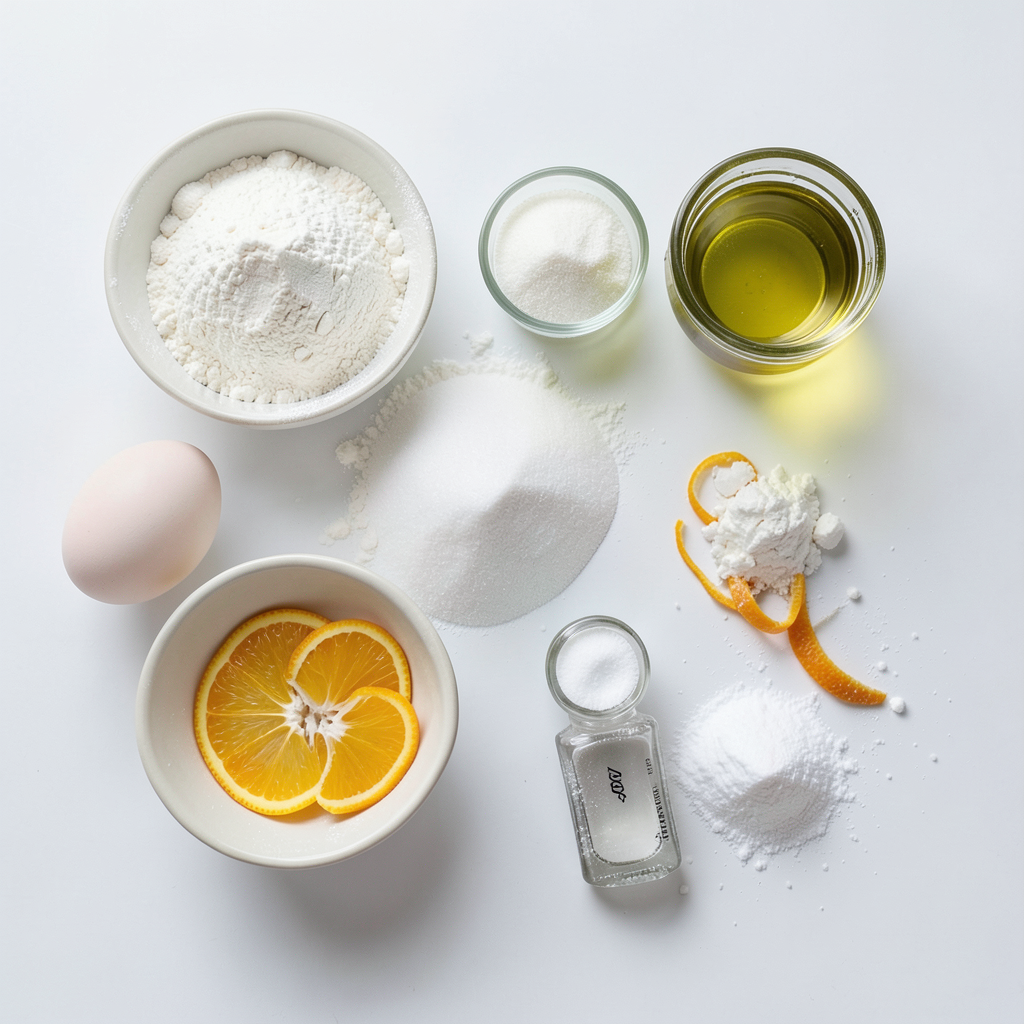
List of Ingredients
- 1 ½ cups all-purpose flour
- 1 cup granulated sugar
- ½ cup extra virgin olive oil
- 3 large eggs
- ½ cup freshly squeezed orange juice
- Zest of 2 oranges
- 1 teaspoon baking powder
- ½ teaspoon baking soda
- ½ teaspoon salt
- 1 teaspoon vanilla extract
- Powdered sugar for dusting (optional)
Measurements and Substitutions
You can easily swap some ingredients. For a gluten-free cake, use a gluten-free flour blend. If you don’t have orange juice, lemon juice works too. The olive oil adds a nice flavor, but you can use any light oil like canola if needed.
Key Ingredients Breakdown
- All-purpose flour: This gives the cake its structure. It helps the cake rise and stay fluffy.
- Granulated sugar: This adds sweetness and helps with texture. It also aids in browning the cake.
- Extra virgin olive oil: This keeps the cake moist and adds a unique flavor. It’s healthier than butter too.
- Eggs: They provide lift and richness. The eggs also bind the ingredients together.
- Freshly squeezed orange juice: This brings a bright, citrusy flavor. It makes the cake refreshing.
- Orange zest: The zest adds a strong orange aroma. It intensifies the cake’s flavor.
- Baking powder and baking soda: These are the leavening agents that help the cake rise.
- Salt: Just a bit enhances the cake’s sweetness.
- Vanilla extract: This rounds out the flavors and adds warmth.
Using fresh ingredients makes a big difference. The vibrant flavors of orange really shine through, making every bite a treat.
Step-by-Step Instructions
Preparation Steps
1. First, preheat your oven to 350°F (175°C). This step is key for even baking.
2. Grease and flour a 9-inch round cake pan. You can also use parchment paper for easy removal.
3. In a mixing bowl, whisk together the flour, baking powder, baking soda, and salt. Set this aside for later.
4. In another large bowl, beat the eggs and sugar. Use an electric mixer for about 3-4 minutes. The mix should look pale and fluffy.
5. Slowly pour in the olive oil while mixing. Then add the orange juice and vanilla extract. Mix until everything is well combined.
6. Gently fold in the orange zest. This adds a bright flavor to the cake.
Baking Process
7. Gradually add the dry ingredients to the wet mix. Fold gently to combine. It’s okay if there are a few lumps.
8. Pour the batter into the prepared cake pan. Smooth the top with a spatula.
9. Bake in the preheated oven for 30-35 minutes. Check if it’s done by inserting a toothpick in the center. If it comes out clean, the cake is ready.
Cooling and Serving Instructions
10. Once baked, take the cake out of the oven. Let it cool in the pan for 10 minutes.
11. Carefully transfer the cake to a wire rack to cool completely.
12. When cool, dust the top with powdered sugar if you like. Slice and serve.
13. For a pretty presentation, serve on a nice platter with orange slices and mint. Drizzle honey for extra sweetness if desired.
Tips & Tricks
Achieving the Fluffiest Texture
To get a fluffy cake, focus on the eggs. Beat them well with the sugar. This step adds air to the mix, making it light. When you add the olive oil, do it slowly. This helps keep the air in the batter. Avoid over-mixing when you combine wet and dry ingredients. A few lumps are okay. This keeps your cake soft and airy.
Common Baking Mistakes to Avoid
One big mistake is not measuring your ingredients. Use a scale or measuring cups for accuracy. Also, make sure your oven is the right temperature. An oven thermometer can help. If the cake sinks in the middle, it may be underbaked. Always check with a toothpick to see if it's done. Lastly, don’t rush the cooling process. Let it rest before you slice it.
Enhancements for Flavor
You can boost the flavor in many ways. Try adding a pinch of cinnamon or nutmeg for warmth. Toasted nuts add a nice crunch. You can also swap the orange juice for lemon or lime juice. This gives a zesty twist. Fresh herbs like mint can add a bright note when serving. Don’t forget about toppings! A drizzle of honey or a sprinkle of powdered sugar can elevate your cake.
Pro Tips
- Use Fresh Oranges: The flavor of your cake will greatly benefit from using fresh oranges for both juice and zest. This will enhance the cake's aroma and taste.
- Room Temperature Ingredients: Ensure that your eggs and olive oil are at room temperature before mixing. This helps to create a smoother batter and a fluffier cake.
- Don’t Overmix: When combining the wet and dry ingredients, mix gently and stop as soon as everything is combined. Overmixing can result in a denser cake.
- Cooling Properly: Allow the cake to cool in the pan for the recommended time before transferring it to a wire rack. This helps maintain its structure and prevents it from breaking.
Variations
Alternative Flavors and Additions
You can change this cake’s flavor easily. Try adding lemon for a bright twist. You could also use lime for a fun zing. If you like spices, add a pinch of cinnamon or nutmeg. Chocolate lovers can mix in cocoa powder for a rich taste. Chopped nuts, like almonds or walnuts, add crunch and depth. You can even fold in berries for a fruity surprise. Each change makes this cake your own!
Gluten-Free Option
To make this cake gluten-free, switch the all-purpose flour for a gluten-free blend. Look for a blend with xanthan gum. This will help keep the cake fluffy and moist. Follow the same steps in the recipe. The cake will still taste great, and you’ll enjoy every bite!
Different Citrus Options
While orange is the star here, you can use other citrus fruits. Grapefruit gives a tangy flavor that’s unique and refreshing. Tangerines add sweetness and a lovely aroma. You can also use blood oranges for a stunning color and taste. Just make sure to adjust the juice amount based on the fruit you choose. Each citrus fruit brings its own charm to this cake!
Storage Info
Best Storage Practices
To keep your orange olive oil cake fresh, store it in an airtight container. Place a piece of parchment paper between the cake and the lid to avoid sticking. Keep it at room temperature for up to three days. If you want to store it longer, refrigerate it for up to a week. Always let the cake cool completely before storing.
Reheating Guidelines
To reheat slices of your cake, use the microwave. Heat each slice for about 10 to 15 seconds. This warms the cake without drying it out. You can also reheat in the oven. Preheat the oven to 300°F (150°C). Place the cake on a baking sheet and warm it for 5 to 10 minutes. This method keeps the cake's texture nice and fluffy.
Freezing for Later Use
You can freeze this cake for up to three months. First, let it cool completely. Wrap the cake tightly in plastic wrap, then in aluminum foil. For easier use, slice the cake before freezing. This way, you can take out only what you need. To thaw, place it in the fridge overnight or let it sit at room temperature for a few hours.
FAQs
How do I know when the cake is done?
You can check if the cake is done by using a toothpick. Insert it into the center of the cake. If it comes out clean, the cake is ready. It should also spring back when you touch the top lightly. The edges might pull away from the pan slightly, which is a good sign too.
Can I use other oils instead of olive oil?
Yes, you can use other oils. Canola oil or avocado oil are great alternatives. They both add moisture just like olive oil. However, they will not give the same flavor. If you want a fruity taste, stick with olive oil. It makes the cake special.
What are the best toppings for orange olive oil cake?
The best toppings for this cake are simple and fresh. You can dust it with powdered sugar for a sweet touch. Thin orange slices add color and flavor. Fresh mint leaves give a nice pop of green. A drizzle of honey can add a sweet finish. Choose what you love most!
We covered key ingredients, step-by-step instructions, and helpful tips for baking. Using the right measurements and substitutions is key to success. Remember to avoid common mistakes and explore flavors. Storage and reheating tips help ensure your cake stays fresh.
With these insights, you can bake a great orange olive oil cake. Enjoy sharing your delicious creation with family and friends. Happy baking!