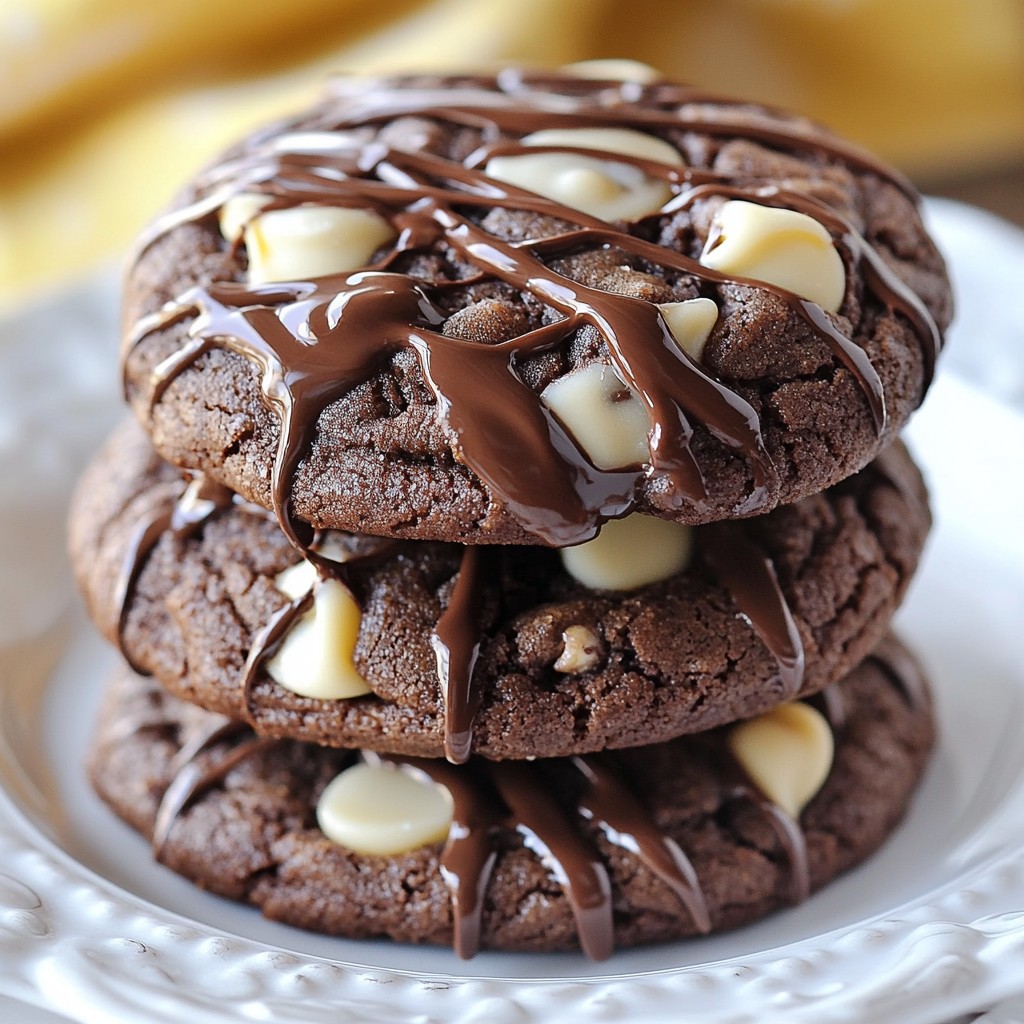
Get ready to satisfy your sweet tooth with my Chewy Dessert Double Chocolate Chip Cookies! These cookies are soft, rich, and packed with chocolate flavor. I'll walk you through all the ingredients and steps to make the perfect batch. Plus, we'll cover tips and tricks for achieving that chewy texture you crave. Whether you want to mix things up or follow a classic recipe, I’ve got you covered. Let’s dive in!
Why I Love This Recipe
- Rich Chocolate Flavor: The combination of semi-sweet and white chocolate chips creates a decadent chocolate experience in every bite.
- Chewy Texture: The use of butter and the right baking time ensures that these cookies are perfectly chewy, making them irresistible.
- Quick and Easy: With a total time of just 30 minutes, you can whip up a batch of these delicious cookies without any hassle.
- Customizable: You can easily add your favorite nuts or adjust the types of chocolate chips to suit your taste preferences.
Ingredients
Complete List of Ingredients
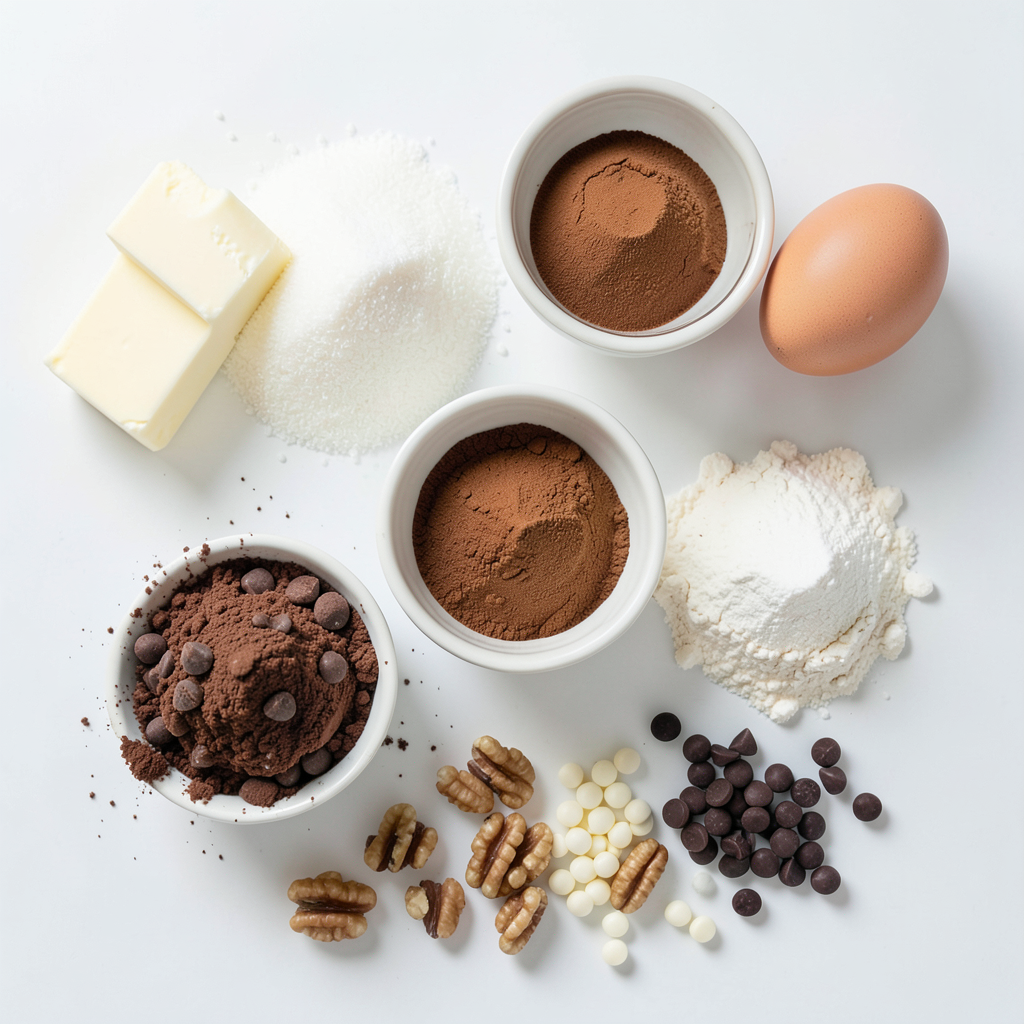
To make these chewy dessert double chocolate chip cookies, you will need:
- 1 cup (2 sticks) unsalted butter, softened
- 3/4 cup granulated sugar
- 3/4 cup brown sugar, packed
- 2 large eggs
- 1 teaspoon vanilla extract
- 2 cups all-purpose flour
- 1/2 cup unsweetened cocoa powder
- 1 teaspoon baking soda
- 1/2 teaspoon salt
- 1 1/2 cups semi-sweet chocolate chips
- 1 cup white chocolate chips
- 1/2 cup chopped nuts (optional, walnuts or pecans work well)
These ingredients create a rich, chocolatey cookie that’s soft and chewy.
Optional Ingredients (Nuts)
Nuts are a great way to add crunch to your cookies. You can use:
- Walnuts
- Pecans
If you like a mix of textures, add nuts to your dough. They bring extra flavor and a great bite.
Ingredient Substitutions
If you need to change some ingredients, here are some easy swaps:
- Butter: You can use coconut oil or a vegan butter.
- Sugar: Try using coconut sugar for a lower glycemic option.
- Eggs: Use flax eggs (1 tablespoon ground flaxseed + 2.5 tablespoons water per egg) for a vegan version.
- Flour: Substitute with almond flour or a gluten-free blend if needed.
These swaps can keep your cookies tasty while fitting your dietary needs.
Step-by-Step Instructions
Preparation Overview
First, gather your ingredients. You need unsalted butter, sugars, eggs, and more. Make sure your butter is soft. This helps create a creamy mix. Preheat your oven to 350°F (175°C). This step is key for even baking. Line a baking sheet with parchment paper. This keeps cookies from sticking.
Detailed Baking Steps
1. In a large bowl, cream the softened butter with granulated and brown sugars. Beat until light and fluffy.
2. Add the eggs one at a time. Mix well after each egg. Then, add the vanilla extract.
3. In another bowl, whisk together the flour, cocoa powder, baking soda, and salt. This helps blend dry ingredients.
4. Gradually add the dry mixture to the wet mixture. Stir gently until just combined. Do not overmix.
5. Fold in semi-sweet and white chocolate chips. If you like, add chopped nuts for extra crunch.
6. Using a tablespoon, drop rounded balls of dough onto the baking sheet. Leave space between them.
7. Bake for 10-12 minutes. The edges should be set, but the centers can look soft. They will firm up as they cool.
8. Let the cookies cool on the baking sheet for 5 minutes. Then, move them to a wire rack to cool completely.
Tips for Proper Mixing and Baking
- Use room temperature ingredients for better mixing.
- Mix butter and sugars well. This adds air for a light cookie.
- When adding dry ingredients, do it slowly. This helps avoid lumps.
- Watch the baking time closely. Ovens can vary, so keep an eye on your cookies.
- For a fun touch, drizzle melted chocolate over warm cookies before serving.
Tips & Tricks
Achieving the Perfect Chewy Texture
To get that perfect chewy texture, start with room-temperature butter. Softened butter helps create a nice, fluffy mix. Use both granulated and brown sugars. Brown sugar adds moisture, making the cookies chewy. Don’t overmix the dough! Mix until just combined; this keeps the cookies tender. When baking, take them out when the edges are set, but the centers look soft. They will firm up as they cool.
Recommended Baking Tools
Using the right tools can make a big difference. A sturdy mixing bowl is key for combining ingredients. A hand mixer or stand mixer saves time and effort. A cookie scoop helps you portion the dough evenly. Parchment paper on your baking sheet prevents sticking and makes cleanup easy. A wire rack lets cookies cool evenly, keeping them from getting soggy.
Common Mistakes to Avoid
One common mistake is using cold butter. Cold butter leads to flat cookies. Another mistake is overbaking. Cookies should look underbaked in the center when you take them out. Be careful not to skip measuring dry ingredients. Accurate measurements help keep your cookies soft and chewy. Lastly, avoid overcrowding the baking sheet. Leave space between cookies to allow for spreading.
Pro Tips
- Chill the Dough: For even chewier cookies, chill the dough for at least 30 minutes before baking. This helps the flavors meld and prevents spreading too much during baking.
- Quality Chocolate: Use high-quality chocolate chips for a richer flavor. Consider using a mix of dark chocolate and milk chocolate for a balance of sweetness and bitterness.
- Don’t Overbake: Cookies continue to cook on the baking sheet after being removed from the oven. Take them out when the edges are set but the centers look slightly underbaked for a chewy texture.
- Add Texture: If you like a bit of crunch, consider adding nuts like walnuts or pecans. They complement the chocolate beautifully and add a delightful contrast in texture.
Variations
Alternative Chocolate Types
You can change the type of chocolate in these cookies. Try dark chocolate chips for a richer taste. Milk chocolate chips add sweetness and creaminess. You can even mix in flavored chips, like mint or caramel, for a fun twist. Each type of chocolate brings a new flavor to your cookies. Feel free to experiment and find your favorite.
Adding Flavor Enhancements
Adding spices or extracts can make your cookies even more special. A pinch of cinnamon or espresso powder can boost the chocolate flavor. You can also add a splash of almond or peppermint extract. These small changes add depth and interest to your cookies. Mix and match to create your own unique version.
Dietary Adjustments
If you need gluten-free cookies, swap all-purpose flour for a gluten-free blend. Make sure to choose one that works well for baking. For dairy-free options, use vegan butter and non-dairy chocolate chips. These adjustments keep the taste great while catering to dietary needs. Always read labels to ensure all ingredients fit your diet.
Storage Info
Best Practices for Storing Cookies
To keep your Chewy Dessert Double Chocolate Chip Cookies fresh, follow these tips. First, let them cool completely before storing. Warm cookies can create steam, making them soggy. Use an airtight container for storage. This helps maintain their soft texture. You can layer the cookies with parchment paper. This method prevents them from sticking together. Store them at room temperature for up to one week.
How to Freeze Cookies
Freezing cookies is a smart way to save them for later. Start by letting the cookies cool fully. Then, place them in a single layer on a baking sheet. Freeze them for about two hours. Once frozen, transfer the cookies to a freezer-safe bag or container. Remove as much air as possible to prevent freezer burn. You can freeze them for up to three months. When you're ready to enjoy, let them thaw at room temperature.
Shelf Life of Baked Cookies
Baked cookies can last quite a while if stored correctly. At room temperature, they stay fresh for up to one week. If you freeze them, they last up to three months. Keep an eye on your cookies. If they start to look dry or hard, it’s time to toss them. Enjoy your cookies while they’re still soft and tasty!
FAQs
What Makes Cookies Chewy?
Cookies get their chewy texture from a few key factors. First, using brown sugar adds moisture. Brown sugar contains more molasses, which helps keep cookies soft. Second, the right baking time matters. You want to bake them just until the edges set. This keeps the centers soft and chewy. Lastly, don’t overmix the dough. Overmixing can make cookies tough.
Can I Use Different Sweeteners?
Yes, you can use different sweeteners in this recipe. If you want a sugar-free option, try using a sugar substitute like stevia or erythritol. However, these sweeteners may change the taste and texture. You can also use coconut sugar for a deeper flavor. Just remember, the ratio might change, so check the package for guidance.
How Do I Know When the Cookies Are Done?
To tell if your cookies are done, look at the edges. They should be set and lightly golden. The centers may look a bit underbaked. This is okay! They will continue to cook as they cool. If the edges are dark, your cookies may be overbaked. For best results, set a timer for 10 minutes and check them.
This blog post shared tips for baking chewy cookies. You learned about ingredients, like nuts and substitutions, for the best results. I gave step-by-step instructions and helpful tips for mixing and baking. Remember to avoid common mistakes and use the right tools. You can even try variations like different chocolates and flavors. Finally, I covered how to store and freeze your cookies. Now you can bake with confidence and enjoy each bite.