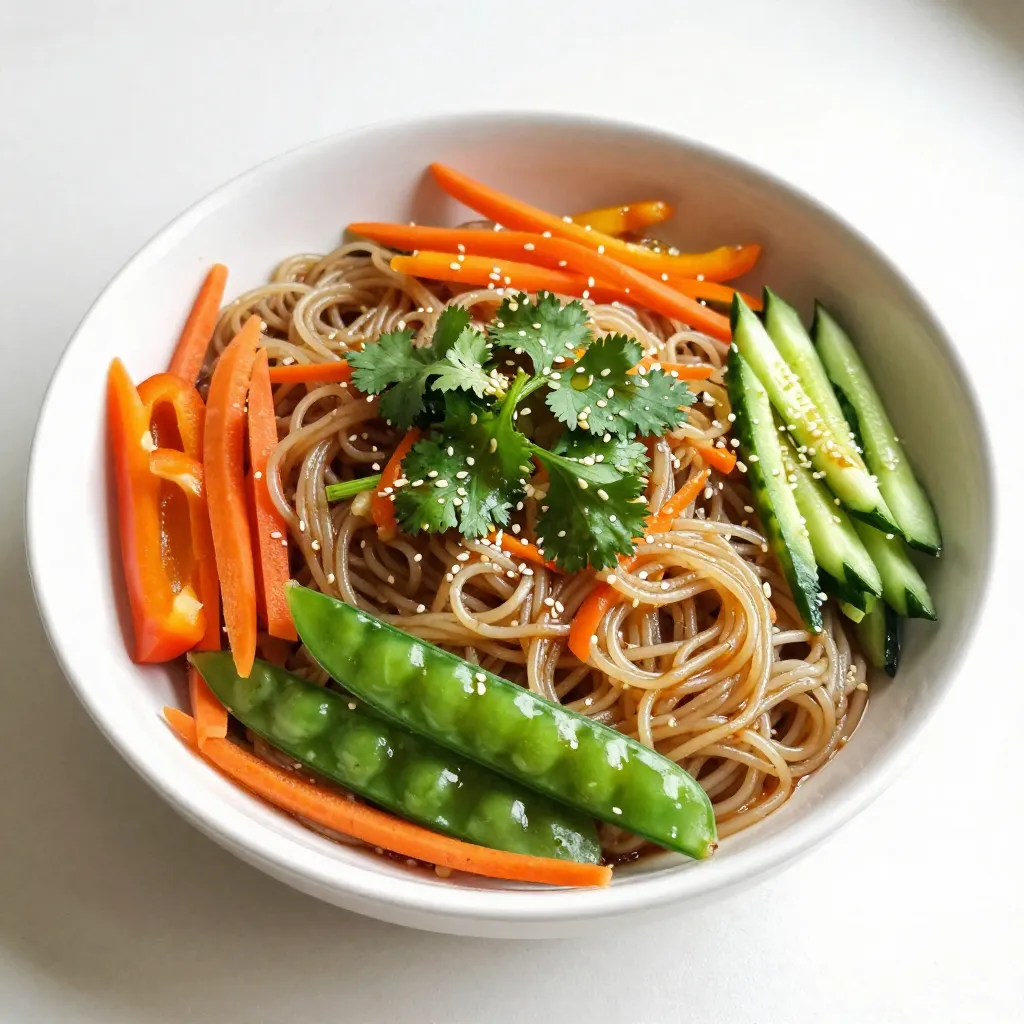
Looking for a quick and delicious meal? My Savory Sesame Ginger Noodle Salad is the perfect choice! Packed with fresh vegetables and a tasty dressing, this salad is both vibrant and satisfying. You’ll love how easy it is to whip up, making it ideal for busy days. Ready to impress your taste buds and friends? Let’s dive into the ingredients and create a dish that everyone will enjoy!
Why I Love This Recipe
- Fresh and Colorful: This salad is a vibrant mix of vegetables that not only looks beautiful but is also packed with nutrients.
- Quick and Easy: With just 15 minutes of prep time, this dish is perfect for a busy weeknight dinner or a quick lunch.
- Flavorful Dressing: The sesame ginger dressing adds a deliciously tangy and nutty flavor that brings all the ingredients together.
- Customizable: You can easily swap out vegetables or add proteins like tofu or chicken to suit your taste and dietary needs.
Ingredients
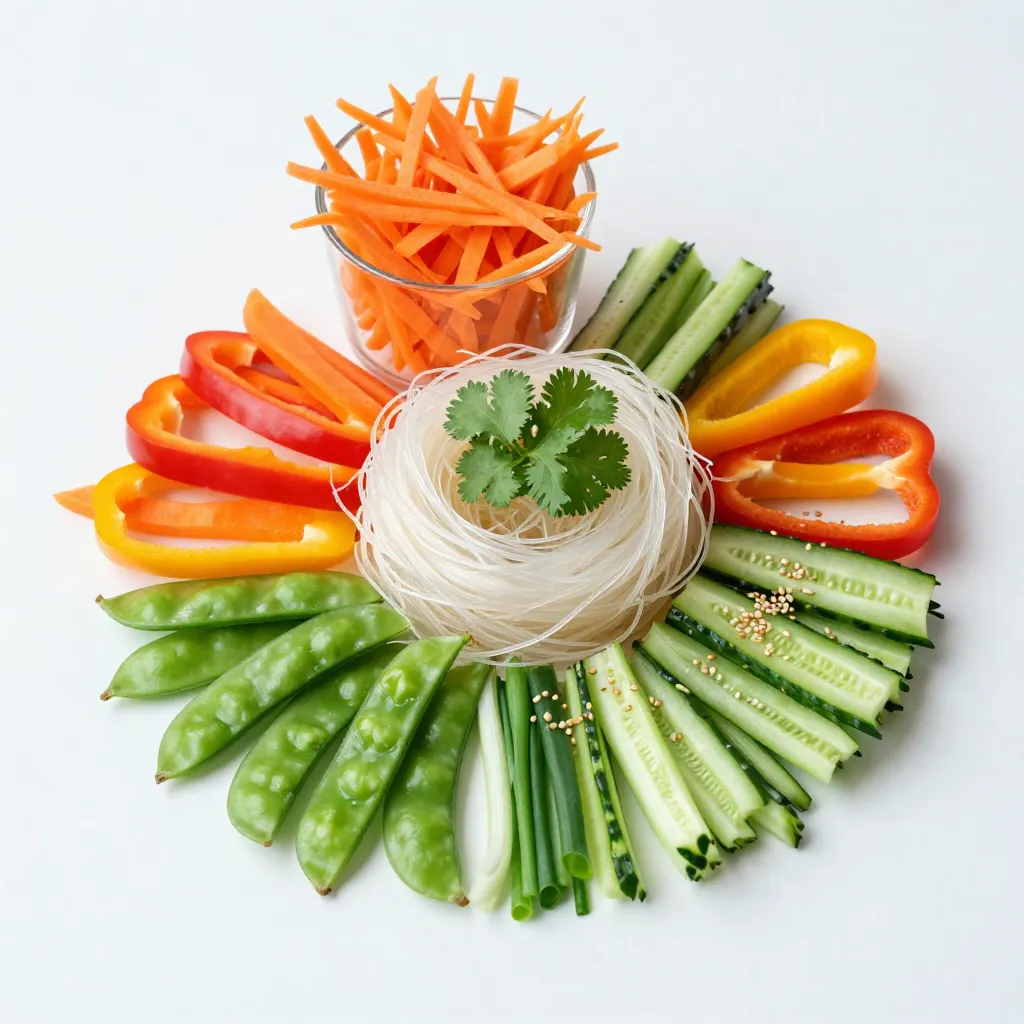
Main Ingredients for Sesame Ginger Noodle Salad
– 8 oz rice noodles
– 1 cup shredded carrots
– 1 bell pepper, sliced
– 1 cucumber, julienned
– 1 cup snap peas
– 1/4 cup green onions
– 1/4 cup sesame seeds
– 1/4 cup fresh cilantro
Dressing Ingredients
– 3 tablespoons sesame oil
– 2 tablespoons soy sauce (or tamari)
– 2 tablespoons rice vinegar
– 1 tablespoon fresh ginger
– 1 tablespoon honey or agave
– Salt and pepper
This salad starts with rice noodles. They are light and absorb flavors well. You need 8 ounces. Next, grab 1 cup of shredded carrots. They add crunch and color.
A bell pepper sliced thin gives the salad a sweet bite. Use any color you like. Then, take 1 cucumber and julienne it. This means cutting it into long, thin strips.
For freshness, add 1 cup of snap peas. They provide a nice snap when you bite into them. Now, let’s not forget the green onions. Use 1/4 cup, sliced thin.
To finish, we want a sprinkle of sesame seeds. Use 1/4 cup for that nutty flavor. Finally, add 1/4 cup of fresh cilantro. This herb brings brightness to the dish.
For the dressing, we start with 3 tablespoons of sesame oil. This oil gives a rich taste. Then, add 2 tablespoons of soy sauce or tamari for a gluten-free option.
Next, we need 2 tablespoons of rice vinegar. It adds acidity to balance the flavors. Add 1 tablespoon of grated fresh ginger for a zesty touch.
For sweetness, use 1 tablespoon of honey or agave syrup. Season with salt and pepper to taste. Keep tasting until it’s just right.
Step-by-Step Instructions
Cooking the Noodles
Start by boiling water in a large pot. Once it bubbles, add the rice noodles. Cook them for about 4 to 6 minutes. Check the package for exact times. When they are soft, drain them in a colander. Rinse the noodles under cold water. This stops the cooking and keeps them from sticking together. Set them aside.
Preparing the Vegetables
While the noodles cook, you can prepare the vegetables. Use a box grater to shred the carrots. For the bell pepper, slice it thinly. Julienne the cucumber by cutting it into long thin strips. Trim the snap peas by removing the ends. Fresh vegetables make the salad pop. Choose bright colors and firm textures for the best taste.
Making the Dressing
In a small bowl, whisk together the dressing ingredients. Combine sesame oil, soy sauce, rice vinegar, grated ginger, and honey. Add salt and pepper to taste. If you want a stronger flavor, adjust the soy sauce or ginger. This dressing brings all the flavors together.
Combining Ingredients
In a large mixing bowl, combine the cooled noodles and prepared vegetables. Add the shredded carrots, sliced bell pepper, julienned cucumber, snap peas, and green onions. Drizzle the dressing over this mix. Toss everything gently until it’s all coated evenly. This ensures each bite is full of flavor.
Garnishing and Serving
To make your salad look great, sprinkle sesame seeds and chopped cilantro on top. You can also add extra sesame seeds for crunch. Serve the salad in a large shallow bowl. You can plate it individually or keep it in the bowl for sharing. Enjoy it chilled or at room temperature. A beautiful presentation makes every meal special!
Tips & Tricks
Ingredient Sourcing
– Best places to find fresh vegetables: Visit your local farmers’ market. They offer fresh, seasonal veggies. Grocery stores also work but check for organic sections. Look for vibrant colors and firm textures. This ensures your salad will be crisp and tasty.
– Choosing the right noodles: Rice noodles are the star of this salad. They cook quickly and soak up flavors well. You can find them in Asian grocery stores or your regular grocery aisle. Check the package for quality and freshness.
Flavor Enhancements
– Adding spice or heat: Want some kick? Try adding sliced jalapeños or a dash of sriracha to the dressing. This boosts flavor and adds excitement. You can also sprinkle chili flakes on top before serving.
– Incorporating additional toppings: For crunch, add chopped peanuts or cashews. You can also toss in some sliced radishes or avocado. These toppings add texture and extra flavor to each bite.
Dietary Modifications
– Gluten-free options: If you’re gluten-free, swap soy sauce for tamari. It has a similar taste and works great in the dressing. Always check labels to ensure they are gluten-free.
– Vegan substitutions: To make this salad vegan, use agave syrup instead of honey. This simple swap keeps the sweetness without animal products. Check your noodles too; some brands may not be vegan.
Pro Tips
- Use Fresh Ingredients: For the best flavor, use fresh vegetables and herbs. This will make your salad vibrant and enhance the overall taste.
- Customize the Crunch: Add chopped nuts like peanuts or cashews for an extra crunch. They complement the texture and add richness to the salad.
- Chill Before Serving: Let the salad chill in the refrigerator for at least 30 minutes before serving. This allows the flavors to meld together beautifully.
- Adjust the Dressing: Feel free to tweak the dressing ingredients according to your taste. Adding a bit more honey or vinegar can balance the flavors perfectly.
Variations
Protein Additions
You can add protein to your sesame ginger noodle salad. Chicken, shrimp, and tofu work well. For chicken, grill or sauté it first. Cut it into bite-sized pieces. If you choose shrimp, cook them until they turn pink and firm. For tofu, use firm or extra-firm. Dice it, pan-fry until golden, and mix it in. These proteins will make your salad heartier and more filling.
Other Vegetable Options
Feel free to swap in seasonal vegetables. Broccoli, bell peppers, or zucchini add crunch and flavor. You can also try shredded cabbage for a nice twist. Use what’s fresh and in season for the best taste. This makes the salad more colorful and fun. Mixing in different veggies keeps it interesting and healthy.
Dressing Variations
You can change the dressing for different flavors. Try adding a splash of lime juice for brightness. A teaspoon of chili paste brings heat. You can also use peanut butter for a creamy texture. This adds a nutty flavor that pairs well. Experiment with these options to create your perfect dressing. Adjust the sweetness and saltiness to your taste.
Storage Info
Storing Leftovers
To keep your sesame ginger noodle salad fresh, refrigerate it in an airtight container. This helps prevent moisture loss and keeps flavors intact. If you have a lot of salad, divide it into smaller portions. This makes it easy to grab for lunch or snacks. Use glass or BPA-free plastic containers for the best results. These containers are durable and safe for food storage.
Reheating Suggestions
For this salad, I recommend enjoying it cold. If you prefer warm noodles, heat them gently in a pan. Use low heat to avoid making them mushy. Add a splash of water or a little oil to keep them moist. Stir frequently until just warmed through. Avoid microwaving, as it can change the salad’s texture.
Shelf Life
Your sesame ginger noodle salad stays fresh in the fridge for about 3 days. After that, the veggies may lose their crispness, and flavors can fade. Always check for any off smells or changes in texture before eating. If it looks or smells different, it’s best to toss it out.
FAQs
Can I use other types of noodles?
Yes, you can use different noodles! Here are some great options:
– Soba noodles: Made from buckwheat, they add a nutty taste.
– Udon noodles: Thick and chewy, they bring a hearty feel.
– Spaghetti: Regular pasta works in a pinch; just cook it al dente.
These choices keep the dish fun and tasty!
Is this salad gluten-free?
Yes, you can make this salad gluten-free. Just use tamari instead of soy sauce. For noodles, choose rice noodles or soba noodles made from buckwheat. Always check labels for hidden gluten. This way, you can enjoy this fresh salad without worry!
How long can I store the salad?
You can store this salad for 3 to 4 days in the fridge. Keep it in an airtight container. The veggies may soften, but the flavor stays great! If you want to keep it fresh, add the dressing just before serving.
What can I serve with this salad?
This salad pairs well with:
– Grilled chicken: Adds protein and complements the flavors.
– Shrimp: Light and savory, shrimp really boosts the dish.
– Tofu: A perfect plant-based option for extra protein.
These sides make a full meal that everyone will love!
Can I make this salad ahead of time?
Absolutely! You can prep the salad a day in advance. Just store the veggies and noodles separately from the dressing. This keeps everything fresh. Mix them together right before serving. You’ll have a quick and tasty meal ready to go!
In this post, we explored how to make a delicious sesame ginger noodle salad. We covered key ingredients, from fresh veggies to a tasty dressing, and detailed steps for preparing each part. You learned tips for making this dish your own and how to store leftovers.
This salad is easy, healthy, and perfect for any meal. Try it out and enjo